Fastener smart cabinet solutions are becoming a hot topic for manufacturers that need tighter control over small parts, higher inventory accuracy, and faster material access on the shop floor. In many factories, fasteners are low-cost items individually, but they have a high operational impact when shortages, overstock, or uncontrolled usage disrupt production. A digital cabinet system helps industrial teams bring order, traceability, and efficiency to this critical category of inventory.
Traditional fastener storage often depends on open racks, manual counting, handwritten records, or delayed ERP updates. This creates common problems for factory managers, procurement teams, and warehouse supervisors. Workers may take parts without registration, stock records may not match actual usage, and purchasing teams may only discover shortages after production is already affected. These issues increase labor costs, create emergency replenishment pressure, and reduce confidence in inventory data.
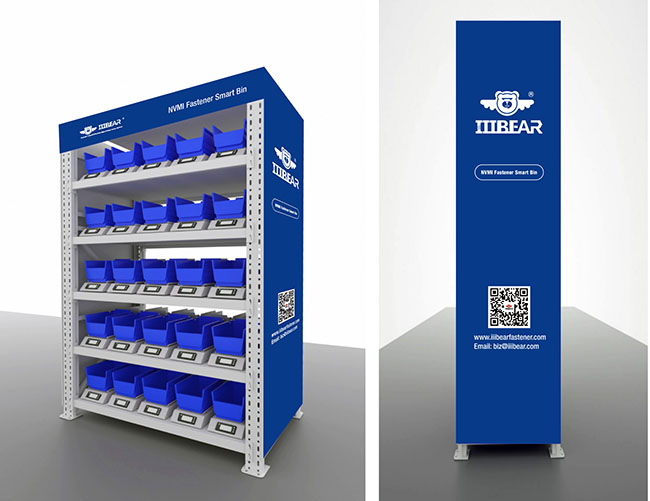
Why Fastener Smart Cabinet Solutions Are Gaining Attention
A fastener smart cabinet combines controlled dispensing, digital inventory visibility, and real-time usage records in one system. Instead of relying on manual supervision, the cabinet can support authorized access, item-level tracking, and automatic inventory updates. This makes it especially valuable in industries where fasteners are consumed every day across multiple workstations, maintenance points, or assembly cells.
For industrial operations, the appeal is practical rather than theoretical. Managers want to know who took materials, when they were taken, what type was used, and whether replenishment is needed. With a smart cabinet approach, that information becomes easier to capture and act on. This is why the topic continues to attract attention in automotive plants, equipment manufacturing, electronics production, energy facilities, and MRO storerooms.
Fastener Smart Cabinet Improves Inventory Accuracy
One of the biggest reasons this topic is trending is the need for more accurate stock control. Fasteners come in many specifications, materials, and sizes, which makes manual management difficult. Similar-looking parts can be mixed, misplaced, or consumed without timely record updates. A NVMI smart cabinet helps standardize how fasteners are stored and issued, reducing errors caused by manual processes.
With digital inventory control, each storage location can be linked to item information such as description, specification, code, and stock level. This supports faster identification and cleaner inventory data. For procurement and supply chain teams, better accuracy means fewer emergency orders, less excess stock, and stronger planning across daily operations.
Controlled Dispensing Supports Better Material Accountability
Another reason the fastener smart cabinet is a popular SEO topic is its role in controlled dispensing. In many factories, fasteners are easy to access but difficult to manage. Open access may seem convenient, yet it often leads to over-issuance, waste, and weak accountability. A controlled cabinet system helps restrict access based on roles, departments, or tasks, creating a more disciplined material flow.
This matters not only for cost control but also for process reliability. When access is linked to user identity and every transaction is recorded, managers can review usage trends and trace abnormal consumption. That level of visibility supports lean management, improves internal control, and strengthens confidence in inventory decisions.
Real-Time Inventory Visibility Reduces Shortage Risk
Production interruptions caused by missing fasteners are more common than many companies expect. Although fasteners are standard items, they are essential to assembly continuity. A fastener smart cabinet helps reduce this risk by giving teams real-time inventory visibility. Instead of waiting for periodic manual stock checks, managers can see current stock status and identify low inventory earlier.
This supports smart replenishment strategies and improves coordination between warehouse staff, purchasing teams, and suppliers. When a company can monitor fastener usage more consistently, it becomes easier to set practical minimum stock rules, avoid surprise shortages, and reduce the burden of manual cycle counting.
Smart Cabinet Systems Fit Modern Factory Operations
The popularity of this topic is also linked to broader factory digitalization. Manufacturers are under pressure to improve labor efficiency, reduce non-value-added work, and build more transparent supply chains. A smart cabinet fits naturally into this transformation because it addresses a real operational pain point with a practical, scalable tool.
For example, in a production environment with multiple shifts, a cabinet can support 24/7 self-service material pickup for authorized staff. In a maintenance storeroom, it can help manage high-frequency fasteners and MRO items without requiring constant manual supervision. In a central warehouse, it can support standardized storage and faster retrieval for commonly used parts.
These benefits make the fastener smart cabinet more than just a storage device. It becomes part of a wider intelligent material management strategy that supports traceability, access control, and digital warehouse execution.
Hot Topic Value for Procurement and Supply Chain Teams
From an SEO and buyer-intent perspective, the term fastener smart cabinet is gaining traction because it speaks to multiple decision-makers at once. Procurement managers care about replenishment efficiency and spending control. Warehouse managers care about stock accuracy and picking speed. Factory managers care about uptime, discipline, and process consistency. Supply chain leaders care about visibility and data-driven planning.
That broad relevance makes this subject especially important for B2B industrial content. Companies searching for this topic are often not looking for a simple cabinet. They are looking for a system that can improve industrial inventory control, reduce manual work, and support smarter material handling policies across the factory.
How to Evaluate a Fastener Smart Cabinet Solution
When evaluating a solution, industrial buyers should focus on practical capabilities. These include real-time stock tracking, user authorization, traceable issue records, replenishment alerts, flexible deployment, and compatibility with different fastener packaging and storage needs. The best solution should fit the actual workflow of the plant rather than force a complicated process on operators.
It is also important to assess whether the system can support future expansion into broader intelligent material management. Many manufacturers begin with fastener inventory control, then extend the same approach to consumables, spare parts, tools, and MRO supplies. A scalable platform provides more long-term value than an isolated storage device.
The Future of Fastener Inventory Control
Fastener smart cabinet content remains a hot topic because it sits at the intersection of industrial automation, inventory control, and operational efficiency. As more factories pursue digital transformation, they need solutions that solve everyday material problems with measurable discipline and better data. Fasteners may be small, but the management impact is significant.
For industrial enterprises, the real opportunity is not only to store fasteners more neatly, but to build a smarter, more traceable, and more responsive supply process. That is why fastener smart cabinet solutions are moving from niche interest to mainstream attention in modern manufacturing.