Which Fasteners and MRO Consumables Are Best for Smart Cabinet Management?
fasteners best for smart cabinet management is a common question because a smart cabinet delivers the highest impact when you load the right SKUs first. Not every fastener or consumable is a good “day-one” candidate. The best items are the ones that create hidden costs in factories: line stoppages from small shortages, uncontrolled over-issuing, time lost searching and counting, and shrinkage that never shows up until month-end reconciliation.
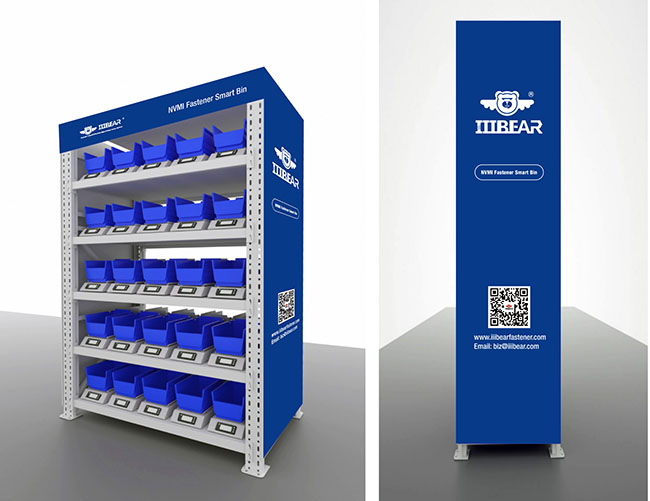
In this guide, you’ll learn which fasteners and MRO consumables are most suitable for an industrial smart cabinet, how to prioritize SKUs for a rollout, and what to avoid in the first phase. You’ll also see popular search phrases buyers use—like “point of use inventory,” “industrial vending fasteners,” and “MRO inventory control”—so your team can align the program with real operational pain points.
What Makes a SKU Ideal for Smart Cabinet Inventory Control?
Use these five selection rules. If an item meets two or more, it’s usually a strong match for smart cabinet inventory management:
-
High issue frequency: taken daily or multiple times per week.
-
High stockout impact: a missing item can stop a line, delay maintenance, or cause rework.
-
High shrinkage risk: small, easy to pocket, and hard to trace in open bins.
-
High counting workload: thousands of pieces, time-consuming manual counts.
-
Stable specification: standard sizes with predictable usage (easy to set min/max levels).
These are the conditions where point-of-use inventory systems outperform open shelves and “two-bin” methods—because the cabinet controls access, captures transactions automatically, and triggers replenishment earlier.
Fasteners That Work Best in Smart Cabinets
1) High-Runner Standard Screws and Bolts
Start with the fasteners your operators pull constantly. These typically include socket head cap screws, hex bolts, machine screws, and self-tapping screws in a small range of sizes that repeat across products.
-
Why they fit: high frequency, high counting load, and strong standardization.
-
Typical cabinet approach: set min/max levels and let the cabinet auto-record issues by user and SKU.
2) Small Hardware With High Shrinkage Risk
Small components are the easiest to lose and the hardest to track: set screws, dowel pins, springs, retaining rings, E-clips, washers, and small nuts. In open bins, these items often “disappear” through over-issuing and misplacement.
-
Why they fit: small size + frequent use + poor traceability in manual systems.
-
Outcome: better accountability and reduced monthly write-offs.
3) Line-Stopping “Critical” Fasteners
Some SKUs are not the highest volume, but they have a high consequence if missing—special flange bolts, safety screws, specific thread lengths, or customer-required grades. Even a small shortage can cause downtime.
-
Why they fit: high stockout impact.
-
Best practice: keep them in the cabinet with tighter reorder points and alert rules.
4) Assemblies and Kitting-Friendly Items
If your line uses repeat kits (for example, a standard set of screws + washers), smart cabinets can support controlled issuing by kit quantity, reducing picking errors and mixed batches.
-
Why they fit: reduced mis-picks, improved consistency, faster assembly prep.
-
Implementation tip: define SKUs clearly and standardize packaging units.
5) Surface-Treated Fasteners That Need Clean Handling
Fasteners with specific coatings (zinc-nickel, zinc flake, black oxide with topcoat, pre-applied locking patches) can be sensitive to contamination and mixing. A controlled cabinet environment helps reduce mix-ups and handling damage.
-
Why they fit: reduces wrong-issue risk and keeps traceable lot control cleaner.
-
Note: define shelf life rules for items like pre-applied patch screws.
MRO Consumables That Pair Well With Fasteners in Smart Cabinets
Many factories manage fasteners and MRO items together because they share the same problems: frequent use, hard counting, and stockout risk. Good candidates include:
-
PPE and shop supplies: gloves, masks, earplugs, wipes (high usage, high shrinkage risk).
-
Adhesives and chemicals (where appropriate): threadlocker, anti-seize, cleaning wipes (control usage and lot tracking).
-
Cutting and tooling consumables: drill bits, taps, inserts, blades (high value per unit, easy to lose).
-
Maintenance small parts: O-rings, grease fittings, hose clamps, cable ties (frequent and hard to count).
These items often appear in searches like “industrial vending MRO supplies” and “tool crib smart locker,” because they are prime targets for point-of-use control.
What to Avoid in the First Phase (Common Rollout Mistakes)
-
Too many SKUs on day one: a large catalog increases confusion, slows adoption, and complicates replenishment. Start with top movers and line-stoppers.
-
Highly variable, project-specific items: one-off custom fasteners are better managed as project kitting or controlled issue outside the cabinet until demand stabilizes.
-
Bulky or fragile packaging: oversized cartons or items that damage easily may not dispense well; consider locker mode or dedicated bins.
-
SKUs with unclear naming: if your item master data is messy, the cabinet will surface the problem. Clean your naming and packaging units first.
How to Prioritize SKUs: A Simple Scoring Model
To build your “first cabinet list,” score each SKU (1–5) across five factors:
-
Usage frequency
-
Stockout impact (downtime / service delay)
-
Shrinkage risk
-
Counting difficulty
-
Standardization (stable specs and predictable demand)
Load the highest total-score SKUs first. This approach makes your smart cabinet program measurable, easier to expand, and easier to defend internally when leadership asks for results.
Where to Place the Cabinet for Maximum Convenience
Even the best SKUs won’t perform if the cabinet is placed poorly. For convenience-based deployment:
-
Near the production line: best for operator-issued high runners.
-
Near the maintenance bay/tool crib: best for repair and emergency items.
-
Near the warehouse exit (self-service point): good for multi-department access, but watch for shift-change queues.
Choosing location based on “short walk + minimal waiting + natural workflow” is the fastest path to adoption.
Build a Smart Cabinet Program With Bear Bit
The biggest success factor in smart cabinet inventory management is not the hardware—it’s the SKU strategy and the operating rules. At Bear Bit, we help factories define the right starter SKUs, set min/max replenishment logic, create user permissions, and structure reports that show real savings: fewer stockouts, lower shrinkage, and less inventory labor.
Conclusion
The fasteners best for smart cabinet management are high-frequency standard screws/bolts, small hardware with shrinkage risk, line-stopping critical SKUs, and coating-sensitive items that benefit from controlled issuing. Pair them with the right MRO consumables, start with a focused SKU list, and place cabinets where people naturally work. With a clear rollout plan, smart cabinets can turn fastener handling from a daily firefight into a controlled, data-driven process.