NVMI smart cabinet technology is helping manufacturers replace manual material control with a more accurate, traceable, and efficient inventory process. In factories where fasteners, MRO items, spare parts, and production support materials move constantly, traditional storage methods often create stock discrepancies, delayed replenishment, and weak visibility. A digital cabinet system solves these problems by combining controlled dispensing, real-time inventory tracking, and automated replenishment logic in one practical solution.
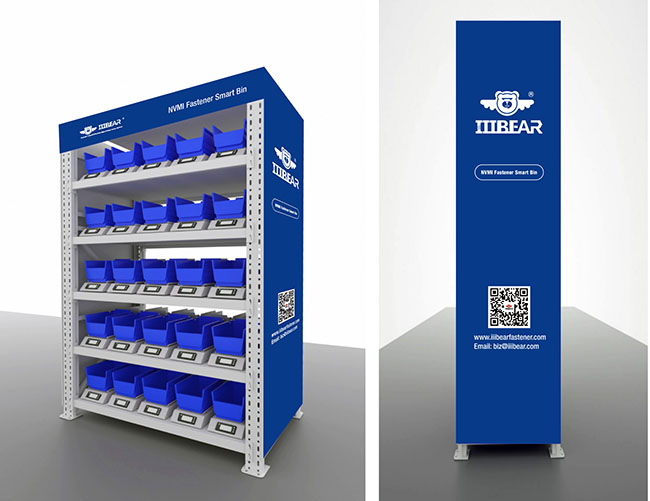
Why NVMI Smart Cabinet Matters in Modern Manufacturing
Industrial facilities need more than shelves and handwritten records. They need a system that can track who takes materials, when items are issued, how much stock remains, and when replenishment should begin. An NVMI smart cabinet supports this shift by connecting smart hardware, sensing technology, and software into one material management workflow.
Instead of relying on manual counting and delayed ERP updates, the cabinet records material movement in real time. This gives factory managers, warehouse teams, and procurement leaders a clearer view of actual consumption. It also reduces the operational risks caused by missing parts, excess inventory, and uncontrolled access.
How an NVMI Smart Cabinet Works
An NVMI smart cabinet typically combines cabinet hardware, smart units, user authorization, and a digital management platform. Materials are stored in defined positions, and users access them through approved identity methods such as account login, card access, or other secure authorization tools. Once an item is taken or returned, the system updates inventory automatically.
With gravity sensing and connected smart units, the cabinet can identify stock changes without waiting for manual input. This means inventory data becomes more reliable and more useful for daily decision-making. Managers can review usage records, monitor stock levels, and identify fast-moving items before they become shortages.
For companies looking to strengthen controlled dispensing and traceability, solutions from NVMI provide a practical path toward digital inventory management in industrial environments.
Core Benefits of NVMI Smart Cabinet Deployment
One of the biggest advantages of an NVMI smart cabinet is real-time inventory visibility. Manual stock counts are time-consuming and often inaccurate, especially when many small items are issued throughout the day. A smart cabinet continuously updates inventory data, helping teams make faster and better replenishment decisions.
Another major benefit is access control. In many factories, shared consumables and spare parts are easy to remove but difficult to track. A controlled cabinet limits access to authorized personnel and creates a usage log for each transaction. This improves accountability and reduces material loss.
Operational efficiency also improves. Workers spend less time searching for items, warehouse staff reduce manual paperwork, and purchasing teams gain clearer demand signals. The result is a smoother flow of materials to the production line and less administrative effort in the background.
NVMI Smart Cabinet for Fastener and MRO Inventory Control
Fasteners, tools, safety supplies, and maintenance materials are often difficult to manage because they are high-frequency, low-unit-value items with a large number of SKUs. Even small recording errors can create stockouts or unnecessary replenishment. An NVMI smart cabinet helps standardize this process by assigning fixed storage logic, digitizing each issue event, and improving traceability across departments.
For MRO inventory control, this is especially important. Maintenance teams often need access at different times of day, including off-shift hours. A smart cabinet supports 24/7 self-service pickup while keeping each transaction visible to management. This balance between convenience and control is a major improvement over open shelving or manual storeroom processes.
Where Smart Cabinets Deliver the Most Value
Manufacturing plants, automotive facilities, electronics production sites, robotics factories, and power equipment operations can all benefit from smart cabinet deployment. These environments depend on stable material flow and fast response to demand changes. When parts are missing or not recorded correctly, production efficiency suffers.
In a production-line scenario, a smart cabinet can keep frequently used components close to the point of use while maintaining inventory discipline. In a maintenance storeroom, it can secure critical spare parts and provide clear usage history. In high-security environments, it can strengthen access control and asset traceability.
These application scenarios make the technology suitable not only for internal warehouse teams, but also for industrial distributors and vendor-managed inventory programs seeking better service quality and data visibility.
From Manual Storage to Intelligent Material Management
Traditional storage methods usually create several recurring problems: delayed data entry, mismatch between physical stock and system records, emergency shortages, over-purchasing, and unclear responsibility for material usage. An NVMI smart cabinet addresses these weaknesses by creating a closed-loop process for issue, return, monitoring, and replenishment.
Because the system captures real usage data, companies can improve safety stock planning and reduce blind ordering. Instead of purchasing based on guesswork, procurement teams can respond to actual demand patterns. Over time, this supports leaner inventory levels and more stable supply support for production.
The move toward intelligent material management is not only about automation. It is also about creating better data for decision-making. When stock status, item movement, and replenishment needs are visible in one system, managers can identify waste, improve service levels, and support broader digital warehouse initiatives.
Choosing the Right Smart Cabinet Strategy
Successful deployment starts with understanding the material category, usage frequency, access requirements, and replenishment model. Some operations need open and fast picking for frequently issued items, while others need stricter security for controlled parts or valuable tools. The right setup should match the operational reality of the site.
Companies should also consider integration with broader inventory workflows. A smart cabinet delivers the most value when it becomes part of a connected strategy for industrial inventory control, rather than a standalone storage device. That includes user permissions, replenishment rules, reporting processes, and role-based visibility for warehouse, production, and procurement teams.
As manufacturers continue to pursue digital transformation, the NVMI smart cabinet is becoming a practical tool for improving material accuracy, reducing labor-heavy processes, and building a more responsive supply chain. For industrial businesses that want stronger traceability, smarter replenishment, and better stock control, it is a solution with clear operational relevance.