Open smart cabinet application environment is becoming a practical focus for factories that need faster material pickup, real-time inventory visibility, and more flexible production support. Unlike closed vending cabinets designed mainly for restricted access, an open smart cabinet is built for convenient material collection while still connecting every pickup, replenishment, and stock change to a digital management system.
Where Open Smart Cabinets Deliver the Most Value
In modern manufacturing, material flow directly affects production efficiency. Small parts, fasteners, MRO items, tools, consumables, and line-side materials are often used frequently but managed manually. When these items are stored on open shelves without digital tracking, factories may face inaccurate stock records, delayed replenishment, repeated purchasing, and unnecessary worker movement. An open smart cabinet helps solve these issues by combining open access with intelligent sensing, real-time data updates, and smart replenishment logic.
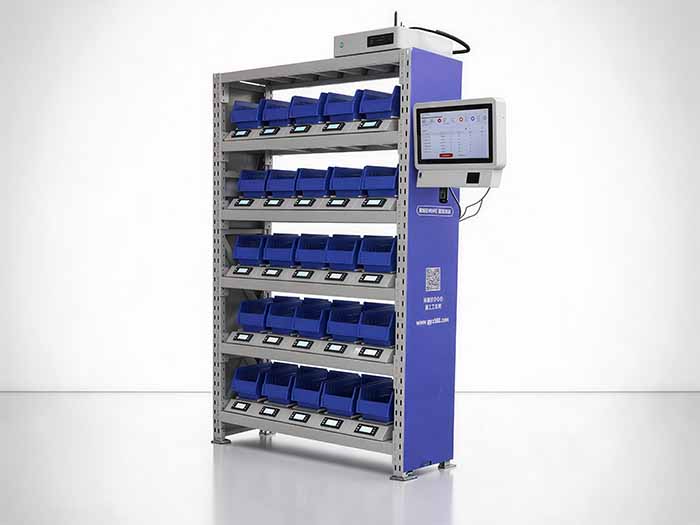
For industrial buyers, the key question is not only what the cabinet can store, but where it should be deployed. The right application environment determines whether the system improves picking speed, reduces manual workload, and supports a more reliable supply chain process. With smart units, inventory monitoring, and software-based data management, NVMI smart cabinet solutions are suitable for several high-frequency material management environments.
Open Smart Cabinet Application Environment in Production Lines
Production lines are one of the most suitable environments for open smart cabinets. Operators often need quick access to screws, bolts, fittings, small tools, labels, protective items, and other auxiliary materials. If workers must walk to a central warehouse every time they need a part, valuable production time is lost. If materials are placed openly without control, inventory records can become unreliable.
An open smart cabinet placed near the production line gives workers faster access to required items while the system records inventory changes automatically. This supports a smoother workflow because materials remain close to the workstation, and managers can monitor consumption trends from the backend. For assembly lines, electronics production, robotics manufacturing, and equipment workshops, this creates a balance between convenience and digital control.
Warehouse Material Management Areas
Warehouses often manage many SKUs with different sizes, usage frequencies, and replenishment cycles. Traditional shelves are easy to access, but they depend heavily on manual counting and manual ERP input. In busy warehouse environments, delayed recording can cause differences between book inventory and actual inventory.
An open smart cabinet can be used in warehouse material management areas where fast-moving items need to be picked frequently. Instead of waiting for manual stocktaking, managers can rely on real-time inventory updates and shortage reminders. This helps warehouse teams reduce repetitive counting work and improve the accuracy of material availability. It is especially useful for auxiliary materials, spare parts, standard components, and other items that are not always high-value but are critical to daily operations.
Transit Warehouse and Line-Side Buffer Zones
Many factories use transit warehouses or buffer zones between central storage and production areas. These environments are designed to keep materials moving, but they can also create blind spots in inventory control. Items may be transferred, temporarily stored, or picked by different teams, making it difficult to know the exact stock status at any moment.
Open smart cabinets are well suited for transit warehouse environments because they provide flexible deployment and digital stock visibility. Materials can be organized by workstation, production order, department, or consumption frequency. When stock drops below the planned level, the system can support timely replenishment reminders. This reduces the risk of unexpected shortages and helps production planners maintain a more stable material flow.
High-Frequency MRO and Spare Parts Storage
MRO materials and spare parts are essential for maintenance teams, but they are often difficult to manage accurately. Items may be taken urgently during equipment repair, and records may be completed later or forgotten. Over time, this can lead to missing stock, unclear usage responsibility, and emergency purchasing.
An open smart cabinet is practical for MRO storage rooms where speed matters. Maintenance staff can quickly collect frequently used items, while the system records stock changes and provides data for later analysis. This approach helps reduce low-value manual work, supports traceability, and gives managers a clearer understanding of which items are consumed most often. For power equipment, machinery maintenance, automotive factories, and energy storage facilities, this can improve both maintenance response and inventory planning.
Industrial Distributor Managed Inventory Points
Open smart cabinets are also useful in vendor managed inventory environments. Industrial distributors can place smart cabinets at customer sites to support continuous supply of standard parts and consumables. Instead of relying only on periodic visits or manual customer reports, distributors can use consumption data to plan replenishment more accurately.
This application environment is especially valuable when customers need stable supply but do not want to hold excessive inventory. By using digital inventory visibility, distributors can improve replenishment efficiency and strengthen service quality. For factories, this means fewer shortages, less manual communication, and a more transparent supply process.
Workshops Requiring Flexible and Fast Deployment
Some production environments change frequently. Workstations may move, product models may change, or temporary projects may require new material points. In these situations, fixed storage structures are not always efficient. An open smart cabinet with flexible deployment can be installed near the point of use and adjusted as workflows change.
This makes the system suitable for pilot production areas, engineering workshops, maintenance zones, and project-based manufacturing cells. Because the cabinet supports digital material management, companies can maintain visibility even when storage locations become more flexible. This is important for factories moving toward smart warehouse transformation and lean material flow.
How to Choose the Right Open Smart Cabinet Environment
Before deploying an open smart cabinet, managers should evaluate material usage frequency, picking distance, replenishment complexity, and the need for real-time stock tracking. High-frequency, low-to-medium-value materials are often the best starting point because they create frequent handling work and are easy to overlook in traditional inventory systems.
Companies should also consider whether the environment needs open collection, controlled access, or a combination of both. Open smart cabinets are best for areas where authorized teams need convenient pickup and fast replenishment. For materials that require stricter access control, a closed smart cabinet or hybrid deployment may be more appropriate. A well-designed system can combine different cabinet types to match different material categories and risk levels.
The best application environment is one where the cabinet does more than store items. It should support real-time inventory monitoring, digital consumption records, shortage reminders, and better decision-making. When deployed correctly, an open smart cabinet becomes part of a connected industrial inventory control system, helping factories reduce manual work, improve material availability, and build a more efficient digital warehouse operation.