Can Smart Cabinets Integrate with ERP for Automated Replenishment and Reconciliation?
smart cabinet ERP integration is a critical question for companies looking to streamline their inventory management processes. Smart cabinets are revolutionizing how businesses handle fasteners, tools, and MRO (Maintenance, Repair, and Operations) items, but the true potential is unlocked when they are integrated with Enterprise Resource Planning (ERP) systems. By automating replenishment and reconciliation through integration, businesses can save time, reduce errors, and ensure a more accurate and responsive supply chain.
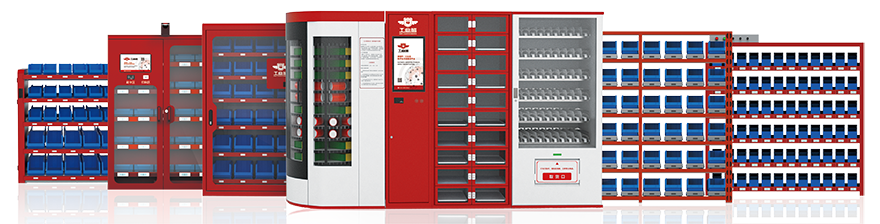
In this article, we will explore how smart cabinets can be integrated with ERP systems, the benefits of automated replenishment and reconciliation, and how this integration works in practice. Common searches on Google include “integrating smart lockers with ERP,” “automated replenishment with ERP,” “smart cabinet for inventory management,” and “ERP system for vending machines.”
What is ERP Integration for Smart Cabinets?
ERP (Enterprise Resource Planning) systems are software that organizations use to manage and integrate the important parts of their businesses, such as inventory, orders, procurement, finance, and manufacturing. By integrating a smart cabinet system with an ERP, businesses can synchronize inventory levels, automate stock replenishment, and track product usage in real time.
A smart cabinet is essentially a “point-of-use” inventory solution, where employees access items like fasteners and tools directly from the cabinet. When integrated with ERP, the system updates inventory automatically every time an item is taken, and the ERP system can trigger automatic orders for restocking. This integration reduces manual input, improves accuracy, and ensures that stock is always available when needed.
Benefits of Integrating Smart Cabinets with ERP Systems
Integrating smart cabinets with ERP systems brings a host of advantages that improve the efficiency and reliability of inventory management:
-
Automated Replenishment: With ERP integration, inventory levels are tracked in real-time. When items are removed from the cabinet, the system automatically updates the stock levels and triggers an order for replenishment without any manual intervention. This minimizes the risk of stockouts and ensures that the right materials are always on hand.
-
Real-Time Inventory Updates: The ERP system gets automatic updates on stock levels as items are dispensed from the smart cabinet, keeping the inventory accurate and up-to-date without manual counting.
-
Streamlined Reconciliation: The integration allows for seamless reconciliation between actual inventory in the smart cabinets and the records in the ERP system, making it easier to identify discrepancies and manage stock more effectively.
-
Reduced Administrative Work: By automating the replenishment and reconciliation processes, businesses reduce the need for manual tracking, saving valuable time and resources.
-
Improved Accuracy and Efficiency: With automated systems in place, the chances of human error in manual inventory tracking are eliminated, ensuring a more efficient and error-free workflow.
How Does Smart Cabinet and ERP Integration Work in Practice?
When a smart cabinet is integrated with an ERP system, the cabinet becomes an automated inventory tracking point. Here’s a step-by-step breakdown of how it works:
-
Item Access: When an employee takes an item (e.g., a bolt, screw, or tool) from the smart cabinet, the cabinet’s sensor or weight-based system detects the removal.
-
Inventory Update: The smart cabinet communicates with the ERP system and updates the inventory levels in real-time, reducing the need for manual stock-taking.
-
Automatic Replenishment Trigger: Based on predefined stock thresholds, the ERP system triggers an automatic order for replenishment when stock falls below a certain level. This ensures that the smart cabinet never runs out of essential items.
-
Usage Tracking: The system tracks which items are being used and by whom, providing detailed reports on inventory consumption, which can be useful for budgeting and forecasting.
-
Reconciliation and Reporting: The ERP system generates reports that can be used to reconcile actual inventory with the records in the system. This helps ensure inventory accuracy and identify any discrepancies.
What to Look for in ERP Integration with Smart Cabinets
To make the integration of your smart cabinet and ERP system smooth and efficient, here are a few key factors to consider:
-
Compatibility: Ensure that the smart cabinet system is compatible with your ERP software. Many modern smart cabinets are designed to integrate easily with popular ERP platforms like SAP, Oracle, and Microsoft Dynamics, but compatibility should be confirmed beforehand.
-
Scalability: Choose a system that can scale with your business. As your company grows and the number of items in the smart cabinet increases, the system should be able to handle the increased data load and complexity without issues.
-
Real-Time Data Sync: The integration should provide real-time data syncing, so your ERP system is always up to date with the current stock levels, and inventory orders can be made automatically.
-
Security: Ensure that both your ERP and smart cabinet system have robust security measures in place to prevent unauthorized access and data breaches.
-
User-Friendly Interface: The ERP system should offer an intuitive interface that allows users to manage the smart cabinet inventory easily, track stock levels, and generate reports effortlessly.
Can Smart Cabinets Be Used for Other MRO Consumables and Tools?
While fasteners are often the first item that comes to mind when thinking about smart cabinets, the integration with ERP can be applied to a wide range of MRO (Maintenance, Repair, and Operations) consumables and tools. Items like adhesives, lubricants, small electrical components, and hand tools can all be stored and tracked using the same automated system, helping you manage all your factory's critical supplies in one place.
Searches like “smart cabinet for tools and consumables,” “MRO inventory management with ERP,” and “integrated vending system for industrial tools” highlight how businesses are expanding smart cabinet usage beyond fasteners to streamline their entire supply chain.
Conclusion: Streamline Operations with Smart Cabinets and ERP Integration
Integrating smart cabinets with your ERP system is a smart way to automate inventory management, improve stock accuracy, and reduce operational costs. By allowing the smart cabinet to track usage, trigger replenishment, and update inventory in real-time, businesses can optimize their operations, reduce human error, and maintain a steady supply of essential materials and tools. If you’re looking to implement this system, Bear Bit can provide guidance on how to select the right smart cabinet for your needs, integrate it with your ERP system, and ensure a seamless replenishment and reconciliation process.