Is Weight-Based Dispensing Accurate for Small Screws? Do You Need Calibration?
weight based dispensing accuracy is one of the first questions factories ask when they consider a smart cabinet for fasteners. It’s a fair concern: small screws can be lightweight, similar-looking, and often issued in large quantities. If the system miscounts by even a few pieces per transaction, the inventory record drifts, replenishment becomes unreliable, and trust in the cabinet drops. The good news is that weight-based identification can be very accurate for small screws when it’s set up correctly—but it does require smart configuration, controlled packaging rules, and periodic calibration.
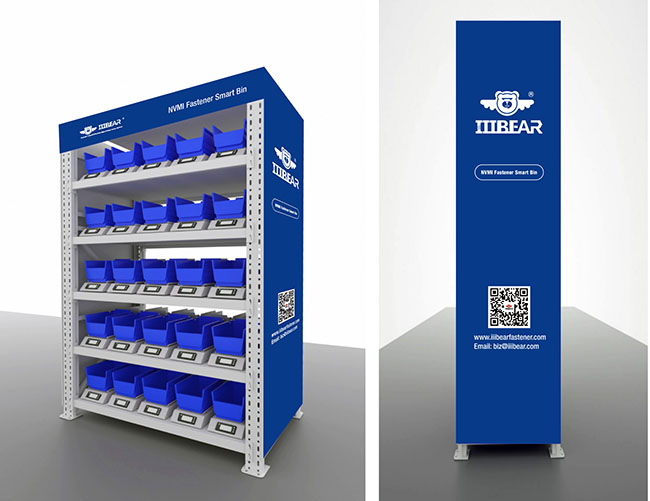
This article explains what affects accuracy, when calibration is necessary, how to set up a weight-sensing smart cabinet for tiny fasteners, and when you should consider scanning or locker mode instead.
How Weight-Based Counting Works in a Smart Cabinet
A weight-sensing smart cabinet typically uses load cells (weight sensors) under a bin, shelf, or drawer. The system knows the “unit weight” of the item or the weight of a standard pack. When a user removes fasteners, the cabinet measures the delta and converts that change into an issued quantity.
For small screws, the core concept is simple: if the cabinet can reliably detect a small weight change and if the unit weight is stable, the count is accurate. However, real-world variables—packaging, humidity, mixed SKUs, and how people handle items—can introduce error.
Will It Be Inaccurate for Small Screws?
Not automatically. The biggest drivers of accuracy are not the screw size alone, but signal-to-noise ratio and process discipline. Here are the most common reasons why small screws may appear “inaccurate,” and what they actually mean:
-
Very low unit weight: If each screw is extremely light, the cabinet needs a sensor resolution high enough to detect a reliable delta. If users remove only 1–2 pieces at a time, the signal may be close to the sensor noise floor.
-
Variable unit weight: Different batches, coatings (zinc vs zinc flake), or length tolerance can slightly change unit weight. The smaller the screw, the more meaningful those variations can become.
-
Mixed items in one bin: If people accidentally drop another size into the same bin, weight counting may still “count,” but it counts wrong.
-
Packaging weight changes: If you count “bag weight” and someone replaces the bag or removes the label, the system sees a change unrelated to fastener quantity.
-
Handling behavior: Users may rest hands or tools on the bin while picking, causing unstable readings.
The takeaway: weight-based dispensing can be highly accurate, but only when you engineer the workflow to protect measurement stability.
Do You Need Calibration?
Yes—calibration is part of good smart cabinet management, but it does not need to be painful. There are two different calibration concepts to understand:
-
Scale calibration: Ensures the load cell reads weight correctly (like calibrating a scale). This is usually done during installation and then periodically or when sensors are serviced.
-
SKU unit-weight calibration: Ensures the cabinet’s “unit weight” or “pack weight” for a specific screw is correct. This may need updates when you change suppliers, coating types, packaging formats, or lot characteristics.
Most factories don’t need daily calibration. What they need is a practical routine: validate the system on high-run SKUs, adjust unit weights when incoming lots change, and schedule periodic checks.
Best Practice: Count by Pack, Not by Single Piece
For tiny screws, the most reliable method is often to issue by standard packs instead of single pieces. This is a proven approach in industrial vending fasteners programs because it increases the weight delta per transaction, boosting accuracy.
-
Example: Instead of “1 screw,” define the smallest issue unit as “1 bag of 50” or “1 bag of 100.”
-
Benefits: Larger delta, fewer rounding errors, faster picking, cleaner traceability.
-
Operational bonus: It reduces “micro-issuing,” which is a common cause of line-side congestion.
Search traffic often reflects this reality: many buyers look for “bulk dispensing small parts” and “counting screws by weight” because pack-based control is the practical answer.
How to Set Up Small Screw SKUs for High Accuracy
To get accurate weight based dispensing accuracy with small screws, use this setup checklist:
-
Standardize packaging: same bag type, same label, same count per bag. Avoid mixed packaging weights.
-
Lock one SKU per bin: do not allow “temporary mixing.” Use clear labeling and physical dividers.
-
Define a minimum issue quantity: encourage users to take in packs or minimum piece counts.
-
Stabilize measurement: bins should not be bumped; users should pick cleanly without leaning or resting tools on the shelf.
-
Use verification cycles: for critical items, schedule a quick weekly check comparing cabinet count vs physical count for top SKUs.
-
Control replenishment process: replenishment should be scanned/verified so the cabinet’s baseline is correct after restock.
When Weight-Sensing Is Not the Best Choice
Some situations call for different modes, even if weight-based counting is generally good:
-
Ultra-light micro screws with one-piece issuing: If your workflow requires taking 1–2 pieces frequently, scanning by pack or locker mode may be better.
-
High mix risk SKUs: Similar-looking sizes used in the same area may need barcode validation or controlled kits.
-
Strict traceability needs: If lot-level traceability is required, you may prefer scanning or controlled kitting rather than pure weight counting.
A smart cabinet program is most successful when the technology matches the real behavior on the floor.
How Calibration Should Be Managed in Real Factories
A practical calibration plan usually includes:
-
Commissioning calibration: set scale baseline, validate sensor stability, and confirm unit weights for top SKUs.
-
Lot-change checks: when you switch supplier lots or coatings, verify unit weight with a quick sampling.
-
Scheduled audits: monthly or quarterly calibration checks depending on usage intensity.
-
Exception-based recalibration: if the system flags unusual variances, recalibrate that bin/SKU first.
This approach is easy to defend internally because it balances accuracy with workload—exactly what procurement and operations teams want.
Smart Cabinet Accuracy With Bear Bit
Small fasteners are one of the best use cases for smart cabinets—if accuracy and replenishment rules are designed correctly. At Bear Bit, we help factories configure weight-sensing programs for screws and small parts: packaging standards, bin rules, min/max levels, user permissions, and a calibration routine that keeps inventory records trustworthy. If you tell us the screw sizes, typical issue quantities, and whether you need piece-level or pack-level issuing, we can recommend the best configuration for stable accuracy.
Conclusion
Weight-based dispensing for small screws can be accurate, but it is not “plug-and-play.” Accuracy depends on sensor resolution, stable unit weights, standardized packaging, and disciplined bin control. Calibration is recommended: scale calibration for the hardware and unit-weight calibration for each SKU, especially when lots or coatings change. For tiny screws, issuing by pack often delivers the best real-world results, keeping the system reliable and easy to operate.